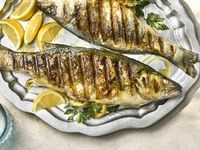
Choose Your Catch: Best Whole Fish for Grilling & Flavor Tips
There's something uniquely satisfying about preparing a whole fish on the grill. It's an age-old cooking method that transforms a simple ingredient into a show-stopping meal, boasting succulent, flaky flesh, incredibly crispy skin, and an undeniable smoky aroma. Forget intricate filleting; grilling a whole fish is surprisingly straightforward, delivering an unparalleled depth of flavor and texture that’s hard to achieve with fillets alone. It's an experience that truly celebrates the natural taste of the ocean, enhanced by the kiss of fire.
Why Grill Whole Fish? The Ultimate Culinary Experience
The allure of mastering whole grilled fish: smoky flavor & crispy skin lies in several key advantages. When cooked whole, the bones and skin act as natural barriers, helping to lock in moisture and flavor, resulting in a significantly juicier and more tender final product. The skin, when properly grilled, becomes beautifully crisp and charred, offering a delightful textural contrast. Beyond the practical benefits, there's a primal joy in presenting a perfectly cooked whole fish, making any meal feel like a special occasion.
Many of us have enjoyed expertly grilled whole fish at our favorite seafood restaurants or ethnic eateries, perhaps a Thai spot with their perfectly seasoned, aromatic preparations. But the secret isn't confined to professional kitchens. With a little guidance, you can recreate that restaurant-quality experience in your own backyard, whether you're using a charcoal or gas grill. The process is simpler than you might imagine, allowing for immense customization to suit your palate.
Choosing Your Catch: Best Whole Fish for Grilling
The foundation of any great grill whole fish like a pro: easy steps & no-stick secrets dish starts with selecting the right fish. While many restaurants often feature whitefish like halibut or mahi-mahi, or sturdy catfish, your home grilling adventures can explore a much wider range. The key is to look for fish varieties that are relatively firm and sturdy, capable of holding up well to the direct heat of the grill without falling apart. Fattier fish also tend to fare better, as their natural oils help prevent sticking and contribute to a more flavorful, moist result.
- Rainbow Trout: Your Grilling Go-To: For many, including seasoned grillers, rainbow trout stands out as an absolute favorite. It strikes a perfect balance: it's a little on the fatty side, which keeps it moist and flavorful on the grill; it's generally inexpensive and widely available; and crucially, it has a manageable bone structure compared to some other whole fish, making it easier to eat. Its moderate size also makes it ideal for individual servings and quicker cooking times.
- Salmon: A perennial favorite, whole salmon (especially smaller varieties or sections of larger ones) is fantastic on the grill. Its rich, oily flesh develops incredible flavor and a beautiful crust. Be mindful of its flakes, but its sturdy nature still makes it a good candidate.
- Mackerel: Often overlooked, mackerel is a wonderfully flavorful, oily fish that stands up exceptionally well to grilling. Its robust flavor is complemented by the smoky char, and its firm texture makes it easy to handle on the grates.
- Branzino (Sea Bass): A popular choice in Mediterranean cuisine, branzino is elegant and delicious when grilled whole. It has a delicate, flaky white flesh that can be prone to sticking if not prepped correctly, but the results are incredibly rewarding. It does have more bones than trout, but they are generally larger and easier to navigate.
- Snapper & Redfish: These offer a firmer, white-fleshed experience. They grill beautifully, developing crispy skin and moist interiors, and are great for feeding a crowd or for a more substantial individual portion.
- Sardines (larger varieties): Don't underestimate the humble sardine! Larger sardines grilled whole are a true delicacy, especially in European coastal regions. They cook quickly and offer a burst of rich, oily flavor.
When selecting your fish at the market, ask your fishmonger to clean and gut it for you, which saves you a messy step at home. Look for clear eyes, red gills, and firm, shiny skin – these are all indicators of freshness.
Infusing Flavor: Seasoning and Stuffing Your Whole Fish
Once you've chosen your perfect fish, it's time to unlock its full flavor potential. Grilling whole fish offers an incredible canvas for customization. A simple yet effective technique is to make 3-4 shallow slits across each side of the fish, depending on its size. These cuts aren't just for aesthetics; they allow your chosen aromatics and seasonings to penetrate deeper into the flesh, ensuring every bite is infused with deliciousness.
Here’s a breakdown of essential and customizable flavor enhancers:
Core Aromatics for Grilling Fish:
- Lemon Wedges: Essential for brightness and cutting through richness. Tuck them into the slits and cavity.
- Minced Garlic: A universal flavor booster. Rub it generously inside and out.
- Scallions & Shallots: Offer a milder, sweeter oniony note than regular onions.
- Rosemary: Its piney, earthy aroma is a classic pairing with fish.
- Parsley: Fresh and herbaceous, a great complement.
- Leeks: Adds a subtle, sweet onion flavor when tucked into the cavity.
- Salt and Pepper: The fundamental building blocks of any seasoning. Don't be shy – season the cavity, outside, and inside the slits generously.
Customization & Beyond:
The beauty of this method is its versatility. Feel free to experiment based on your culinary preferences or what you have on hand:
- Citrus Boosters: Swap lemon for lime or orange slices for different acidic notes.
- Spice it Up: Add thin slices of chile peppers (like serranos or jalapeños) for a kick, or a pinch of smoked paprika for depth.
- Fresh Herbs Galore: Incorporate basil for a sweeter, peppery note, aromatic sage, delicate dill (especially good with salmon or trout), or a sprig of fresh thyme.
- Ginger: Thin slices of fresh ginger can add a wonderfully pungent, warming spice, particularly good with oilier fish.
- Butter Slices: For extra richness and moisture, tuck a few pats of butter into the slits or cavity.
- Onions & Tomatoes: Thinly sliced red onions or cherry tomatoes can also be added to the cavity for extra flavor and moisture.
Before stuffing, ensure your fish is patted dry, then rub it liberally with olive oil. This helps seasonings adhere, promotes crispy skin, and acts as a barrier against sticking. Don't forget to season the cavity well!
Grilling Whole Fish Like a Pro: Essential Techniques
Grilling a whole fish might seem intimidating at first, but with a few key techniques, you’ll be flipping fish with confidence. The goal is perfectly cooked, moist flesh with beautifully crisp, non-stick skin.
- Clean and Oil Your Grates Thoroughly: This is perhaps the most crucial step in preventing your fish from sticking. Scrub your grates with a wire brush until sparkling clean. Then, using a paper towel dipped in high-smoke-point oil (like canola or grapeseed), carefully oil the grates just before placing the fish. You can also use half an onion speared on a fork to rub oil onto hot grates.
- Oil Your Fish Generously: In addition to oiling the grates, brush your entire fish with a good layer of olive oil or another cooking oil. This acts as an additional non-stick layer and helps the skin crisp up beautifully.
- Preheat Your Grill to Medium-High Heat: For most whole fish, you're looking for a consistent medium-high heat (around 375-400°F / 190-200°C). This allows the skin to crisp quickly without overcooking the interior.
- Direct Grilling - The "Set It and Forget It" Rule (for a moment): Place your oiled and stuffed fish directly onto the hot, oiled grill grates. Now, here's the golden rule: do not try to move the fish too soon. Let it cook undisturbed for about 6-8 minutes with the grill lid closed. This initial cooking time allows the skin to crisp and develop a 'release' layer, making it much easier to flip without tearing. Trying to move it too early is the primary cause of sticking and skin breakage.
- The Flip: Once the first side has cooked for 6-8 minutes and the skin looks nicely charred and crisp, it should lift easily from the grates. Use a wide, sturdy spatula (or two spatulas for larger fish) to carefully turn the fish over. Close the lid and continue grilling for another 6-8 minutes on the second side.
- Check for Doneness: The USDA recommends cooking fish to an internal temperature of 145°F (63°C). Insert an instant-read thermometer into the thickest part of the fish, avoiding the bone. Alternatively, you can check for visual cues: the flesh should be opaque and flake easily with a fork at its thickest point. Total cooking time will vary based on the thickness of your fish, but 12-16 minutes is a good general guideline for medium-sized fish (1-2 lbs).
- Rest Before Serving: Once cooked, carefully transfer the fish to a platter. Let it rest for 5-10 minutes. This allows the juices to redistribute, ensuring an even more succulent result.
For those less confident with direct flipping, a fish grilling basket can be a fantastic tool, making the turning process incredibly simple and secure. For very thick fish, you might consider starting with direct heat for the skin, then moving it to indirect heat to finish cooking through without drying out.
Conclusion
Grilling a whole fish is a rewarding culinary adventure that delivers incredible flavor, juicy texture, and that irresistible smoky char. By choosing the right fish, generously infusing it with your favorite aromatics, and mastering a few simple grilling techniques, you'll be well on your way to creating memorable meals. It’s an easy, customizable, and impressive dish that will quickly become a favorite in your grilling repertoire. So, next time you’re at the fishmonger, don't shy away from the whole fish – embrace the delicious possibilities!
